
This newsletter includes:
- Work restarting at the dunes May 10, volunteer opportunities
- An interview with Pinhey Friends Chair, Berit Erickson
- An overview of the dune origins
Work Resumes At Dunes on May 10 and We Need Volunteers
By Frank Moore, Vice-Chair, Friends of Pinhey Sand Dunes
We are back! The temperature is above freezing again and the snow is GONE! Which means, for us, work is back at the Pinhey dunes. Work will restart on Sunday, May 10.
We are now formally requesting general volunteers in two different work streams. The first call is for general volunteers who will handle the sand sifting, moving, and similar work. The second stream is for volunteers who will care for the butterfly sanctuary, which includes weeding, planting, collecting seeds, and watering the many plants we have there.
If you have volunteered before, you are welcome back. The main time to volunteer is Sunday mornings from 9:30 AM to 1:00 PM. Volunteers should gather at the shipping container at dune #2 off Slack Road where they will be met by a Pinhey Sand Dunes greeter to agree tasks. If you have not volunteered before, please sign up to receive some vital information by sending an email to info@biodiversityconservancy.org. It is hot, sunny, and sandy at the dunes and we have some suggestions on what to bring. Signing up also allows us to reach out if we need to cancel due to bad weather.
We are also looking to set up a new volunteer greeter role at the dunes. For some time, the dune sites have been public trails without much active tour support or available information for casual visitors. We are seeking volunteers to give tours and show off the dunes. If this sounds like something that you would be interested in doing, please send an email to frankmoore@biodiversityconservancy.org.
Additionally, TD Friends of the Environment Foundation has awarded Friends of the Pinhey Sand Dunes another grant which will be used to help fund student trips to the dunes, plants, and educational materials. This helps fulfil our goal of ensuring the dunes are a place of learning as well as beauty.
We welcome volunteers of all ages from people wanting to be outdoors during the good weather and learn more about this unique environment, to students seeking to fulfill their volunteer hours.
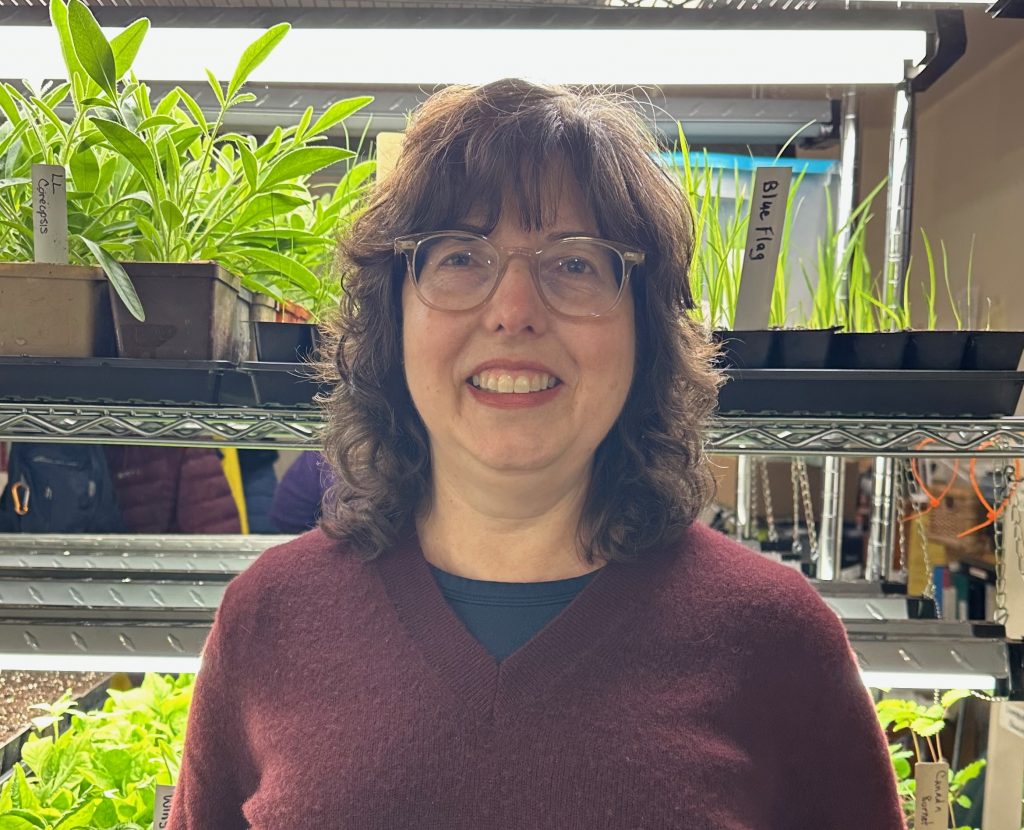
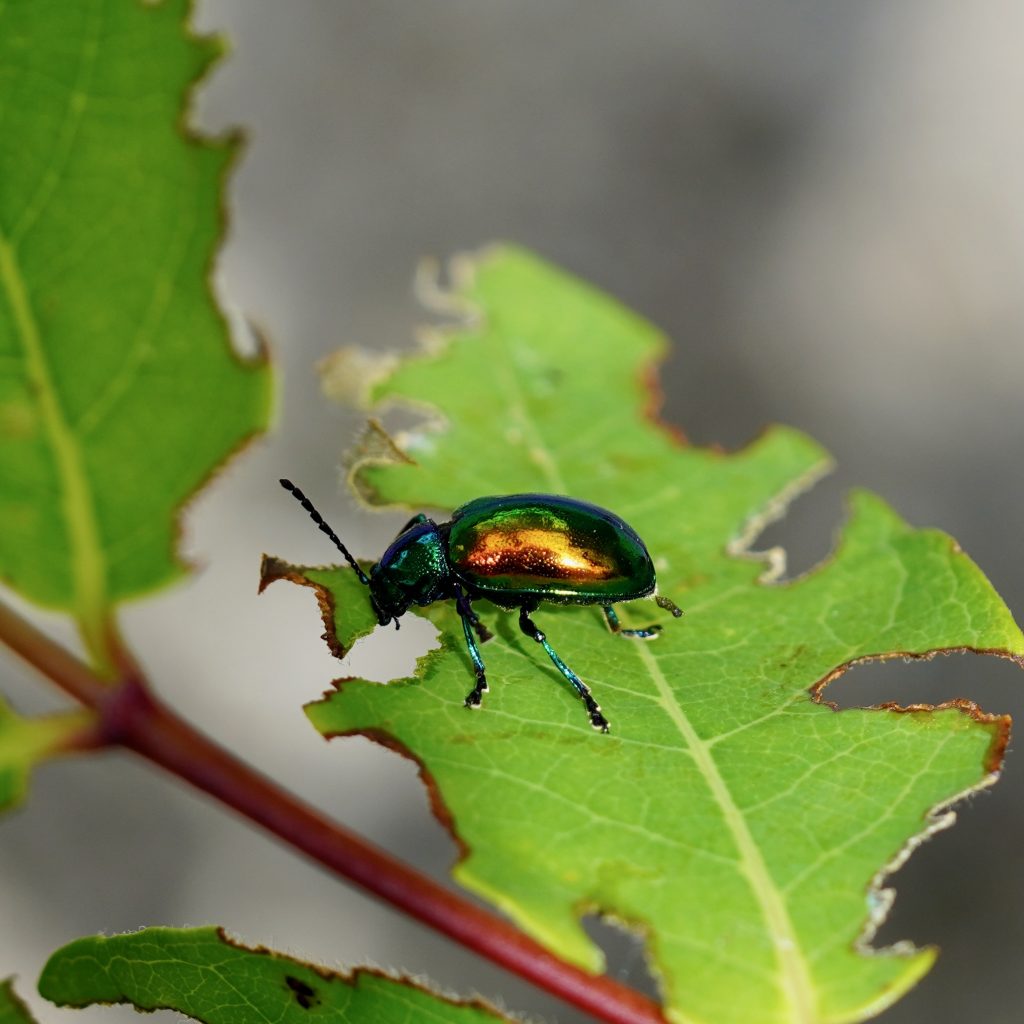
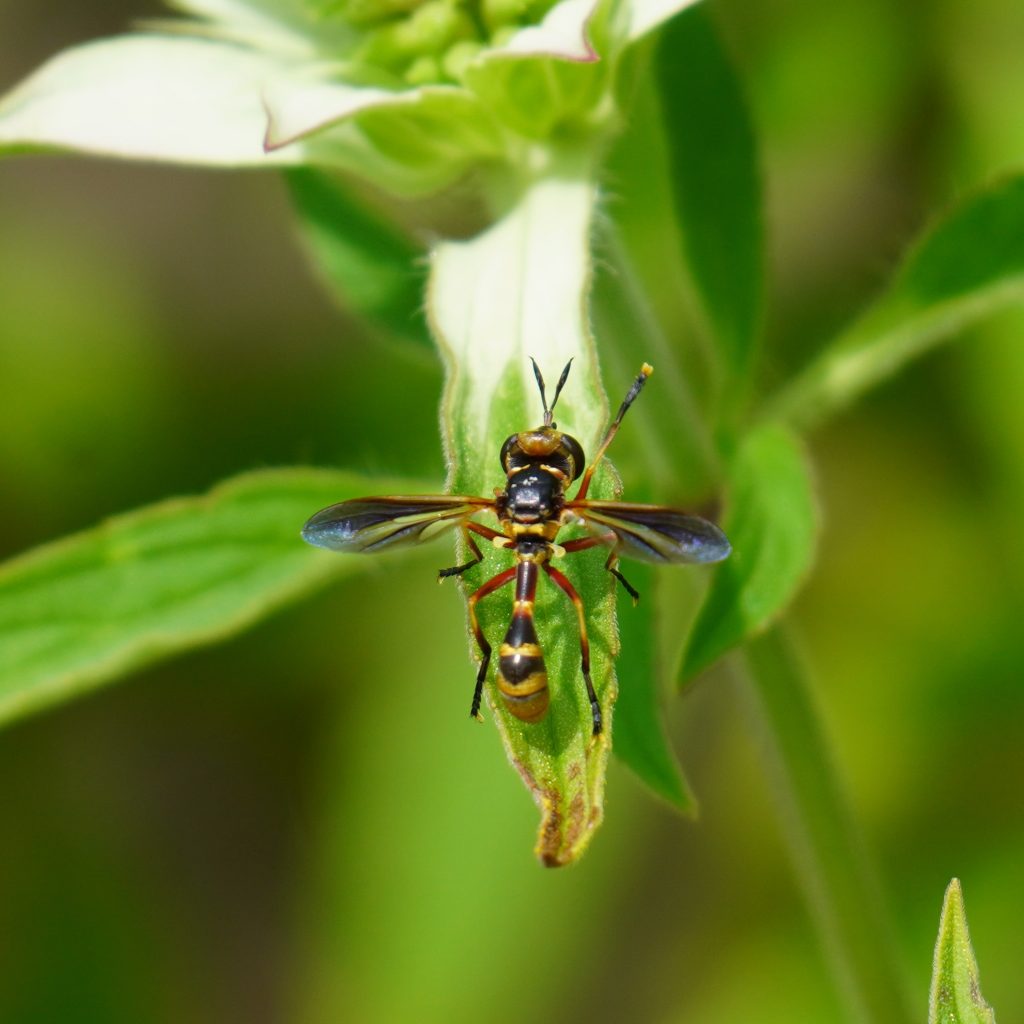
PSD Chair, Berit Erickson, Discusses Challenges and Plans Ahead
By Karen Lane
Berit Erickson is the Chair of the Friends of the Pinhey Sand Dunes (PSD) Executive and has long been keenly interested in pollinators and pollinator plants. As the point person for many of our volunteering activities, you have certainly seen her at the dunes, sharing her knowledge, working to improve this special site, and taking photos. Here, Berit answers questions about her experiences, the challenges, and plans ahead.
1. When did you first start coming to the Pinhey Sand Dunes?
I began volunteering with my son there in 2019. He visited the dunes during a science class field trip, and decided to earn his high school volunteer hours at the dunes. Since I drove him there, I volunteered as well.
2. What makes the PSD special for you personally?
I’ve been growing and adding native plants to my home garden since 2017. In my yard I noticed many insects visiting the native plants, so I became interested in insect biodiversity. As I saw more and more insects and birds, I began sharing my observations on social media and on my blog.
I find it interesting to see unique insects in this sandy habitat. I’ve learned a lot about them from the entomologists and more experienced volunteers here. I also enjoy taking photos of plants and insects at the dunes, some of which I share on the Friends of Pinhey Sand Dunes Facebook group.
With so much depressing environmental news, it’s great to have this opportunity to do something positive and productive by being involved in a restoration project.
3. What would you say is the value of the PSD for the community?
Besides restoring a unique habitat, the Pinhey Sand Dunes project aims to educate the community. During the warmer months, there are tours led by knowledgeable scientists for the general public and school groups.
4. What do you see as the main successes at the dunes in the past few years?
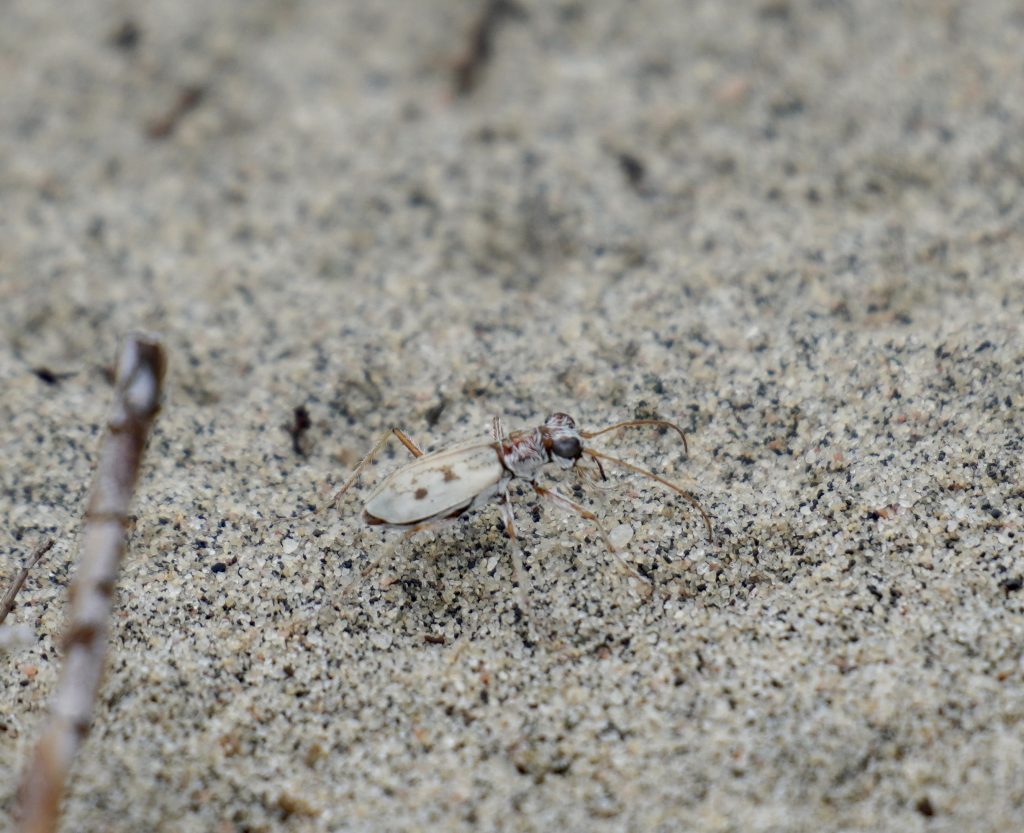
With cooperation from the National Capital Commission (NCC), the open dunes within the Pinhey Forest have been expanded, and more volunteers are restoring these sand dune areas. We’ve already seen Ghost Tiger Beetles moving into these new spaces.
The recent addition of native plants to the dunes have attracted a greater diversity of insects and more people to the dunes.
5. What challenges would you say still lie ahead at the dunes?
As with any volunteer project, it’s a continual effort to attract and retain new volunteers. Recently, Friends of the Pinhey Sand Dunes was revived, and we’ve begun to find long-term volunteers to help manage the project and ensure continuity and longevity.
While some of our past funding sources have dried up, we appreciate the continuing, enthusiastic support of the NCC and the city.
6. What will the Pinhey Sand Dunes team be working on in 2026?
Before winter arrived, the NCC provided us with a new shipping container shed. This spring, our volunteer artists will complete the mural that will adorn the new shed.
The 2022 derecho knocked down many trees in the Pinhey Forest surrounding the dunes. When the NCC cleared the downed trees and stumps, it resulted in unplanned expansions in the dune restoration areas. Volunteers will continue to restore these new areas by sifting sand and removing organic debris.
We’ll also continue to add native plants to provide food and shelter for sand dune insects and pollinators.
7. How can volunteers get involved at the Pinhey Sand Dunes?
We’re always looking for new volunteers for dune restoration activities, and to join our Friends of Pinhey Sand Dunes board for administrative, supervisory, communication, and education roles. The more volunteers we have, the more we can do. To volunteer, visit the Biodiversity Conservancy International or the Volunteer Ottawa websites.
The Geology of the Pinhey Sand Dunes
By Peter Croal
Namibia’s 60-million-year old Namib Desert– the world’s oldest – is many thousands of kilometres from Ottawa, yet is home to a fascinating insect you can also find in the Pinhey Sand Dunes. This intriguing insect is called the antlion. The antlions are a group of about 2,000 species of insect in the lacewing – or Myrmeleontidae – family.
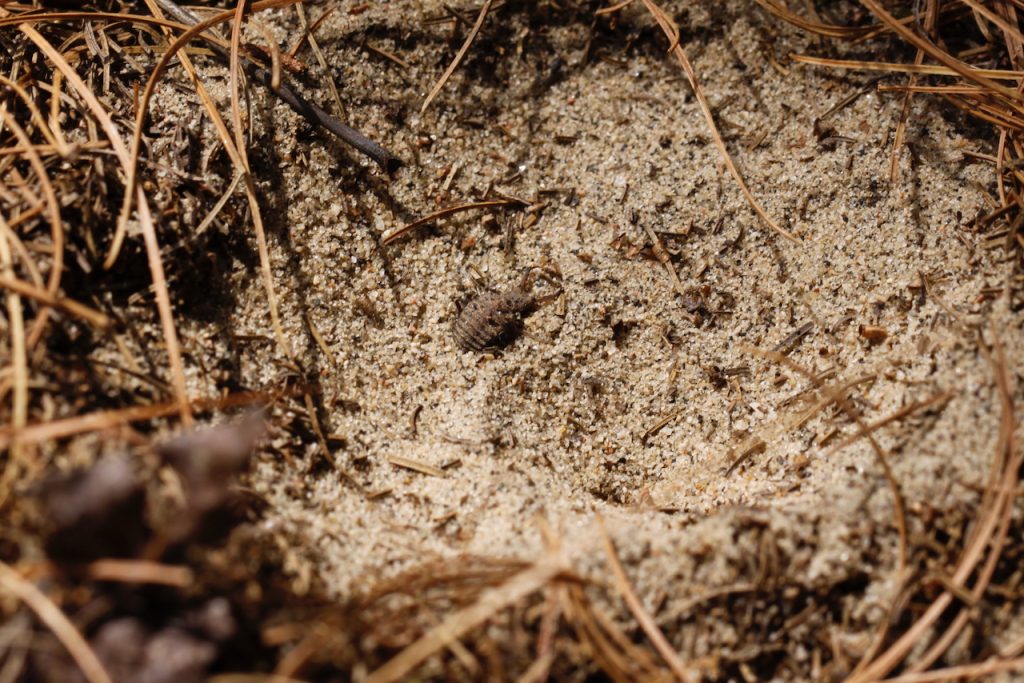
If you see a small hole in the sand ringed by more sand, the larva of the lacewing is likely lurking just below the surface waiting for prey which it will quickly catch with its big jaws and then drag into its burrow. In North America, the larvae are sometimes referred to as “doodlebugs” because of the scribbles they leave in the sand.
This is just one of the unique discoveries you can make when visiting the Piney Sand Dunes. While not as expansive as the Namib or the younger Sahara desert, this small sand dune system is full of wondrous things.
How did all this sand get here?
The Piney Sand Dunes is a unique and rare inland dune complex that provides insight into the region’s everchanging geological history. These dunes were primarily formed during the last glacial period, around 10,000 years ago, when the massive glaciers that once covered much of North America began to melt and retreat as the climate got steadily warmer. So much ice melted that the Champlain Sea was formed. These dunes are part of the shoreline system of that now-vanished sea.
During the glacial melt large amounts of sand and debris were also left behind and was deposited by the many powerful meltwater streams that flowed out of the retreating ice sheets. Over time, the forces of wind and water shaped these deposits into dunes, creating the sandy, elevated landscape that exists today.
The wind played a key role in the formation of the ridges and hills composed of sand, known as dunes. The combination of water and wind action helped sculpt the dunes into their distinctive form, with steep slopes and areas of exposed sand.
The Piney Sand Dunes experienced significant seasonal variation in temperature and precipitation, contributing to the unique environment that has developed in the area over the last 10,000 years. Thus these dunes are now part of a larger ecosystem that includes pine forests, wetlands, and grassy meadows.
How was the sand formed?
Again, erosion is the answer. Over 400 million years ago a mountain chain like the Rockies existed along the eastern region of North America. But over the last 400 million years the forces of wind, water, ice and gravity gradually reduced those towering peaks to rounded hills. An example of the once-towering mountain chain is the Gatineau Hills. The sand you might hold in your hand at Pinhey was once the core of a magnificent mountain range.
The Piney Sand Dunes are part of the ever-changing geological process that continue to shape the Ottawa area and the planet. Change is a constant when it comes to geology. Millions of years from now, that dune sand could again be part of another mountain building process.
What we can find at Pinhey Sand Dunes
The combination of these features creates unusual microhabitats, one that supports a variety of rare and specialized species, including insects that thrive only in this specific environment like the tiger beetle (of the Cicindelidae family), which is particularly adapted to live in the open, sun-baked sands of the dunes. These vibrant green or metallic looking beetles are fast runners and are often seen darting across the sand in search of prey, primarily other small insects.
Another noteworthy insect identified in the Piney Sand Dunes is the pine sand-spinner moth. This species utilizes the surrounding pine trees as host plants for its larvae. The larvae feed on the pine needles, and the adult moths are typically seen flying at dusk, where they play a crucial role in the dune’s ecosystem by pollinating local plants. The unique diet of these moths helps them thrive in the specific conditions provided by the Piney Sand Dunes.
The dunes continue to evolve over time, with the processes of wind and water erosion continually reshaping the landscape. While the dunes have remained relatively stable for thousands of years, they are vulnerable to human activity and climate change, which can disrupt the delicate balance that supports these rare and specialized species.
At the Piney Sand Dunes, you can walk back in time to see what an ancient shoreline of the Champlain Sea looked like. And, if you wish, you can pretend to be standing in the ancient Namib Desert as you look for antlions.
Peter is a Fellow of the Royal Canadian Geographical Society and is a Geologist in Residence with the Shorefast Foundation on Fogo Island, Newfoundland and Labrador. He is a recent recipient of the King Charles III Coronation medal for his reconciliation work and is co-founder of the National Healing Forests Initiative.